Speakers
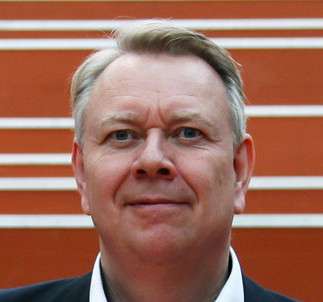
Jørgen Ellegaard
Andersen
CEO and founder of Qpurpose
Talk: Gaussian Boson Sampling Can Significantly Speed Up Monte Carlo Simulation – Theory and Use Cases
Ellegaard Andersen is Professor and Director of both the Centre for Quantum Mathematics and the SDU Quantum Hub at University of Southern Denmark. Further he holds the Chair of Quantum Mathematics at the Danish Institute for Advanced Study. He also simultaneously holds a Simon Collaborator grant and an ERC-Synergy grant, the two most prestigious grants in America and Europe respectively. He is further the founder and CEO of the spin-off company Qpurpose, which produces quantum software to a brought range of the largest Danish and international companies.
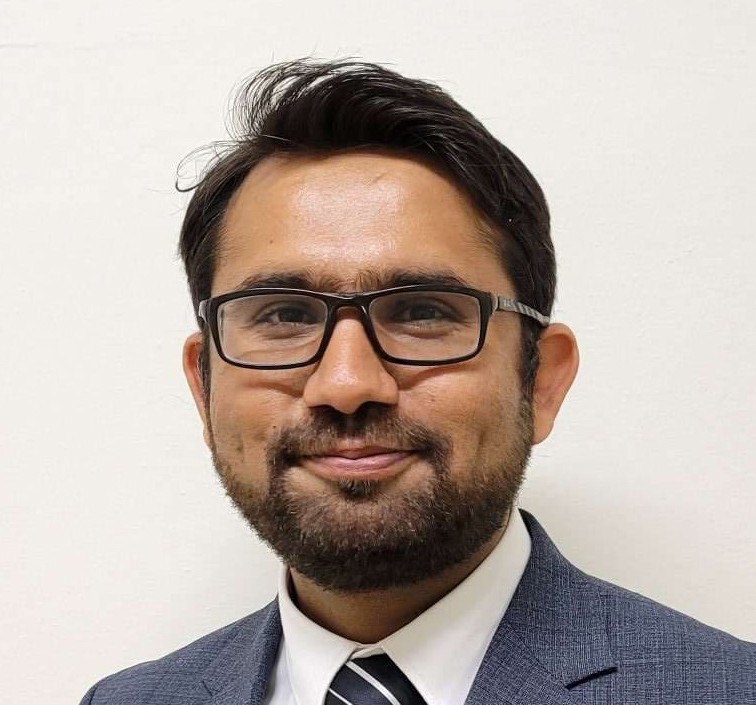
Muhammad
Asad Ullah
Talk – Quantum Computing in Mobile Communications: Requirements and Applications
Panel: Drivers and Barriers for Applying Quantum Technology in Industry
Dr. Muhammad Asad Ullah is a Senior Researcher in quantum computing at Ericsson, where he leads the research efforts in telecom-oriented hybrid quantum-classical computing systems. In addition to his role at Ericsson, he holds a WACQT Industrial Postdoctoral position at the KTH Royal Institute of Technology. He earned his Ph.D. in quantum networks from Kyung Hee University in South Korea.
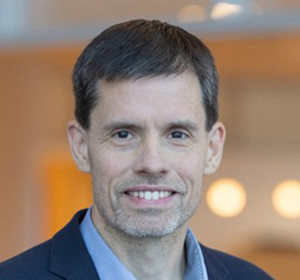
Morten
Bache
Talk: Private Funding Driving Quantum Research in the Nordics
Morten Bache is an engineer by training and with a PhD (’02) and a Doctoral degree (’18) his research background is in laser physics, applied mathematics modelling and simulation, and quantum optics. He is since 2018 a Director in the Novo Nordisk Foundation, where he works as a scientific expert, shaping the Foundation’s strategy within the natural and technical sciences areas. He currently runs the Data Science & Quantum team, and has been involved in developing large strategic centres and investment within data science, AI and quantum, such as the NNF Quantum Computing Programme, Quantum Foundry Copenhagen P/S, the NNF Data Science Initiative, the Gefion AI supercomputer at the Danish Center for AI Innovation A/S, and the Magne quantum computer at QuNorth A/S.
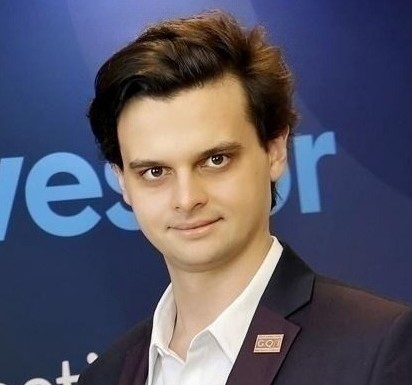
Michael
Baczyk
Can the Nordics Compete Globally in Quantum?
Michal Baczyk is a leader in quantum business strategy and investment advisory. As Director at Global Quantum Intelligence (GQI)—a trusted, independent provider of market intelligence focused exclusively on quantum technology with a global footprint—he helps investors, enterprises, and governments navigate the rapidly evolving quantum landscape. With top-tier education from Cambridge and ETH Zurich, he combines technical expertise with strategic insight, advising over 900 global investors and shaping billion-dollar opportunities. His experience spans roles at CERN and Los Alamos Quantum Labs, where he bridged cutting-edge science with practical business solutions. A double global quantum hackathon winner, peer-reviewed author, and Europe’s Best Young Scientist awardee, Michal continues to drive innovation in the quantum space.

Charlotta
Bengtson
Panel: When and How Will Quantum Change Society?
With a background in quantum biology, Charlotta Bengtson obtained her PhD in 2018 at Uppsala University. Currently, she serves as a senior scientist at the department of defence technology at the Swedish Defence Research Agency (FOI) in Stockholm. In her role, she is in lead of the investigation of quantum algorithms for military applications at FOI.

Stian
Bergeland
Can the Nordics Compete Globally in Quantum?
Stian is part of the Nordic Innovation team following up a project that maps the Nordic-Baltic quantum ecosystem and making plans for Nordic Innovation’s future work on quantum technology. Before joining Nordic Innovation, Stian worked for the Nordic Council of Ministers for Environment and Climate, and he believes that Nordic cooperation benefits all the Nordic countries.
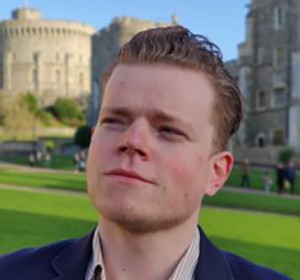
Falk
Bonus
Introduction by session chair
Falk Bonus focused on scaling ion trap based systems during his PhD that was carried out jointly at University College London and Universal Quantum. Now Falk works as a quantum engineer at Universal Quantum Deutschland working on the delivery of two ion trap quantum computers for the german aerospace agency.
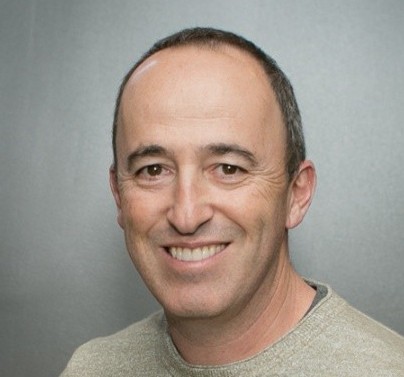
Ariel
Braunstein
Keynote: Commercializing Quantum Value
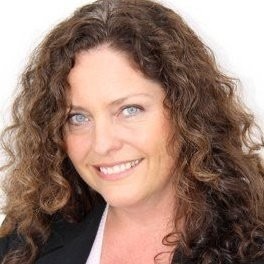
Margareta
Broang
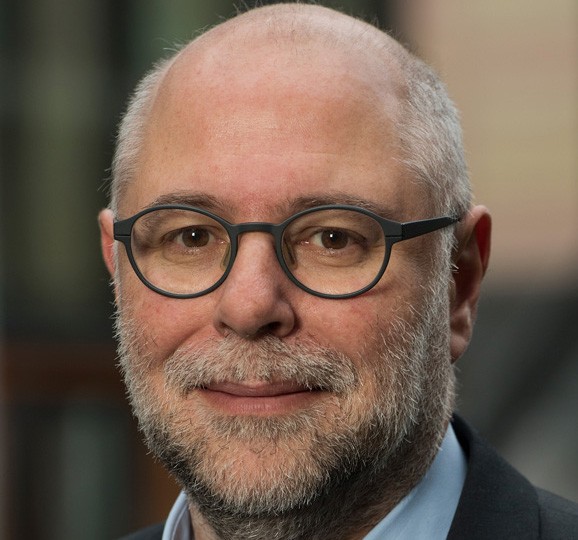
Harry
Buhrman
Talk: Quantum Heuristics: From Worst Case to Practice
Panel: Scenarios for Quantum Computing Development
Harry Buhrman is chief scientist quantum algorithms & innovation at Quantinuum. He is also professor of algorithms, complexity theory, and quantum computing at the University of Amsterdam (UvA), and founding director of QuSoft, a research center for quantum software, which he co-founded in 2015. In 2020 he was elected as a member of the Royal Netherlands Academy of Arts and Sciences.
In the late 90’s he built the first quantum computing group in the Netherlands, which was one of the first groups worldwide working on quantum information processing. Buhrman’s research focuses on quantum computing, algorithms, and complexity theory. He co-developed the area of quantum communication complexity (distributed computing), and demonstrated for the first time that certain communication tasks can be solved (exponentially) more efficient with quantum resources. This showed that quantum computers can not only speed up computations, but also communication – which opened up a whole new application area of quantum information processing. Buhrman co- developed a general method to establish the limitations of quantum computers, and a framework for the study of quantum query algorithms, which is now textbook material.
He obtained a prestigious Vici-award and has coordinated several national and international quantum computing projects. He is a member of the Scientific Advisory Board of the Max Planck Institute for quantum optics, WACQT (Sweden), and IQC (Canadian). He started and chaired the first steering committee for QIP, the main international conference on quantum information processing. Current research interests are: Quantum Computing, Quantum Information Theory, Quantum Cryptography, Computational Complexity Theory, Kolmogorov complexity, Distributed Computing, Computational Learning Theory, and Computational Biology.
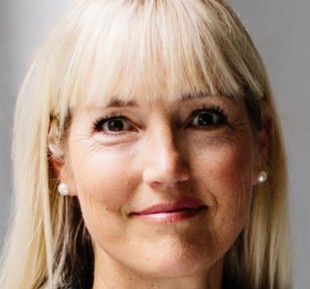
Ebba
Carbonnier
Keynote: Pioneering Quantum Applications – The Nordic Advantage
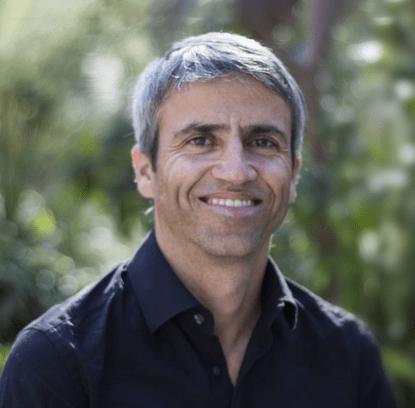
Andre
Carvalho
Keynote: Solving the GPS-denial Problem with Quantum Technology
Panel: Industrialization of Quantum Sensors – Next Steps?
Andre Carvalho is the Head of Quantum Control Solutions at Q-CTRL, where he leads all aspects of customer-related projects. With a PhD in physics and almost 20 years working as a researcher, Andre has a vast international experience and is widely recognized for his contributions to the field of quantum control. At Q-CTRL, he is bringing together expertise from physicists and engineers to develop control solutions for quantum technology problems across multiple platforms.
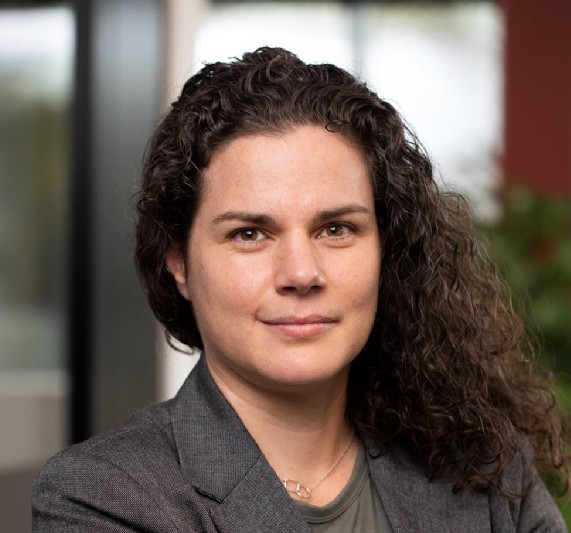
Sophie
Charpentier
Panel: The Picks and Shovels of the Quantum Industry
Dr. Sophie Charpentier is a senior project manager at Chalmers Industriteknik, where she is also leading the Digital Product Passport group. Earlier in her career, she worked in research and development related to graphene and other bidimensional materials. Dr. Charpentier holds a PhD degree in physics from Université de Sherbrooke in Canada.
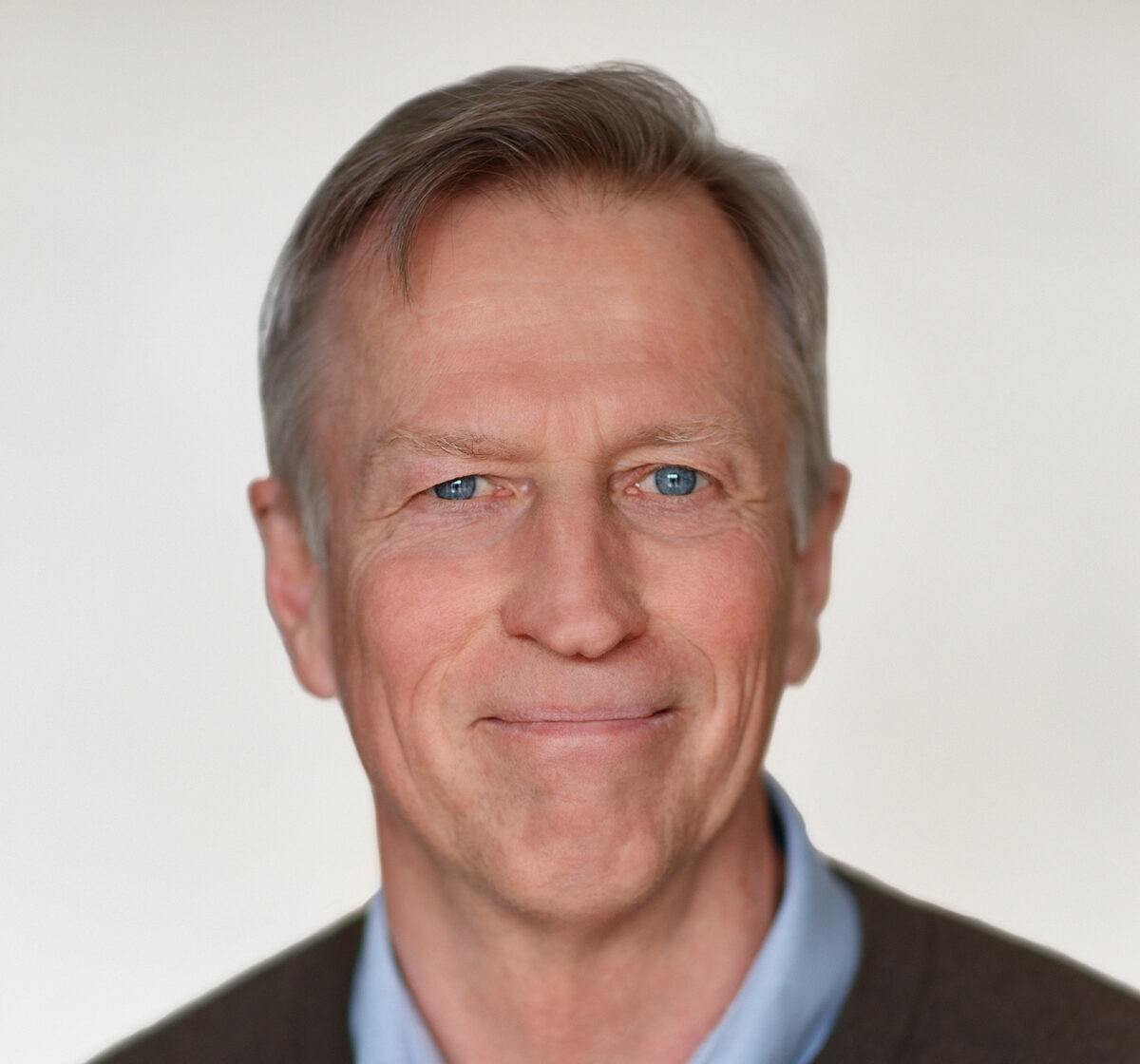
Pontus
de Laval
Introductory presentation: Quantum in the Nordics
Originally a radar engineer, Pontus has a long career at Saab including fourteen years as the company’s CTO. Since 2019 he works for Knut & Alice Wallenberg foundation focusing on innovation. He also serves in numerous boards including the Wallenberg Center for Quantum Technology. He has an Executive M.B.A. from the Stockholm School of Economics and an M.Sc. in Electrical Engineering from the Royal Institute of Technology.
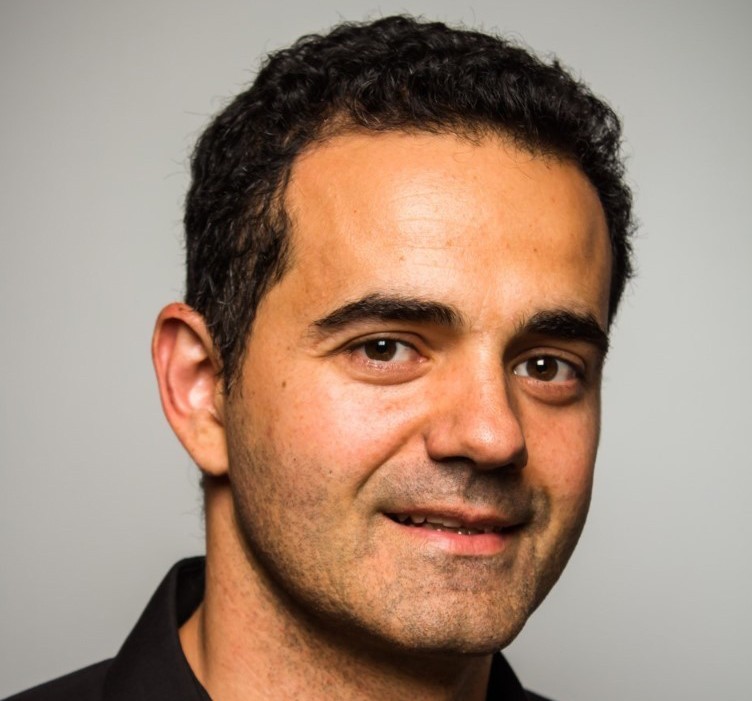
Oscar
Diez
Talk: European Commission Initiatives in Quantum Technologies: Current Actions and Future Directions
Panel: When and How Will Quantum Change Society?
Dr. Oscar Diez is the head of quantum technologies at the European Commission (EC), the executive branch of the European Union (EU). Previously, Dr. Diez was head of datacentre at the European Medicines Agency (EMA) in London. He holds a PhD in Computer Science from Universidad Politécnica in Madrid and a Master’s degree in Open eGovernment from the University of Stockholm. He is also adjunct professor at IE University in Madrid.
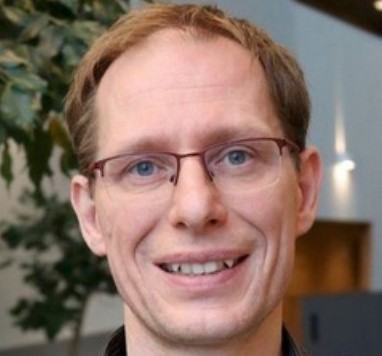
Miroslav
Dobsicek
Panel: Scenarios for Quantum Computing Development
Miroslav is an accomplished quantum technology leader with a PhD in quantum algorithms and 15 years of experience in managing and executing complex R&D projects. At RISE, his current focus is the integration of early quantum technologies into AI and high-performance computing workflows, providing essential support and guidance to the Swedish industry. His background includes significant contributions to the Swedish WACQT center and the establishment of a quantum technology testbed.
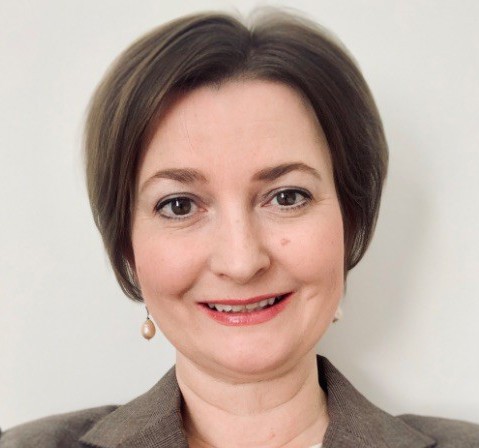
Kristine Helen
Falgren
Can the Nordics Compete Globally in Quantum?
Kristine Helen Falgren is the Managing Director of the Danish Quantum Community, DQC. Kristine is also an Impact Expert in the Grand Solutions Commitee for Quantum Technology at Innovation Fund Denmark, member of the OECD GFTech focus group on quantum technologies and a Policy Fellow in Digitalisation at The Queen Mary Centre at The University of Copenhagen
Kristine has worked closely with stakeholders in the Danish quantum ecosystem for many years e.g. in The Danish Foreign Ministry, where she was responsible for managing FdI in relation to quantum technology. Shehas supported and facilitated several R&D collaborations between industry and academia focusing on the application on quantum technology in finance in her former role as Head of R&D at Copenhagen Fintech, The Danish Cluster for Finance and Fintech.

Johan
Felix
Opening remarks
Introduction by session chair
Concluding remarks
Dr. Johan Felix is the Director of the Swedish Quantum Innovation Platform, QSIP. Johan Felix is also Director of Strategic Collaborations at Chalmers Industriteknik. Earlier in his career, he worked in research and development in the field of materials science. He has also been active for many years in the Swedish innovation system and e.g. managed a national strategic innovation programme in green technology in Sweden. Dr. Felix holds a PhD degree from Chalmers University of Technology.
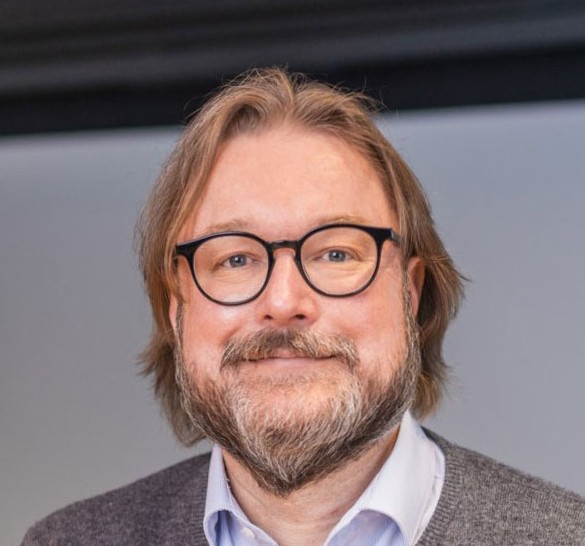
David
Gunnarsson
Keynote: Cryogenics as an enabler in quantum technologies
Panel: The Picks and Shovels of the Quantum Industry
David Gunnarsson, CTO (Chief Technology Officer), has been part of the Bluefors team close to a decade and he leads Bluefors’ R&D/Engineering and Product development initiatives. He holds a Ph. D. degree from Chalmers University of Technology, Sweden, 2005, on his work on the Josephson junction based quantum bits. After his Ph. D. he continued research at Low Temperature Laboratory, Helsinki University of Technology (2005-2008) and prior to joining Bluefors, he worked as a Senior Scientist at VTT Technical Research Centre of Finland (2008-2015). With his background in both microfabrication and cryogenic measurement infrastructures, he has a broad understanding of the future requirements in technologies requiring cryogenics.

Per Olof
Hedekvist
Introduction by session chair
Dr. Per Olof Hedekvist holds a PhD in Photonics and Fiber Optics and have worked in metrology for more than two decades. He is presently senior scientist at the metrology department at RISE, focusing on quality assured measurements in most technological fields with a high interest in testing requirements for quantum sensors, qubits and the electronics and devices necessary to assess these.
Hermanni
Heimonen
Talk: Quantum Computers Accelerating Supercomputing Workflows
Panel: Scenarios for Quantum Computing Development
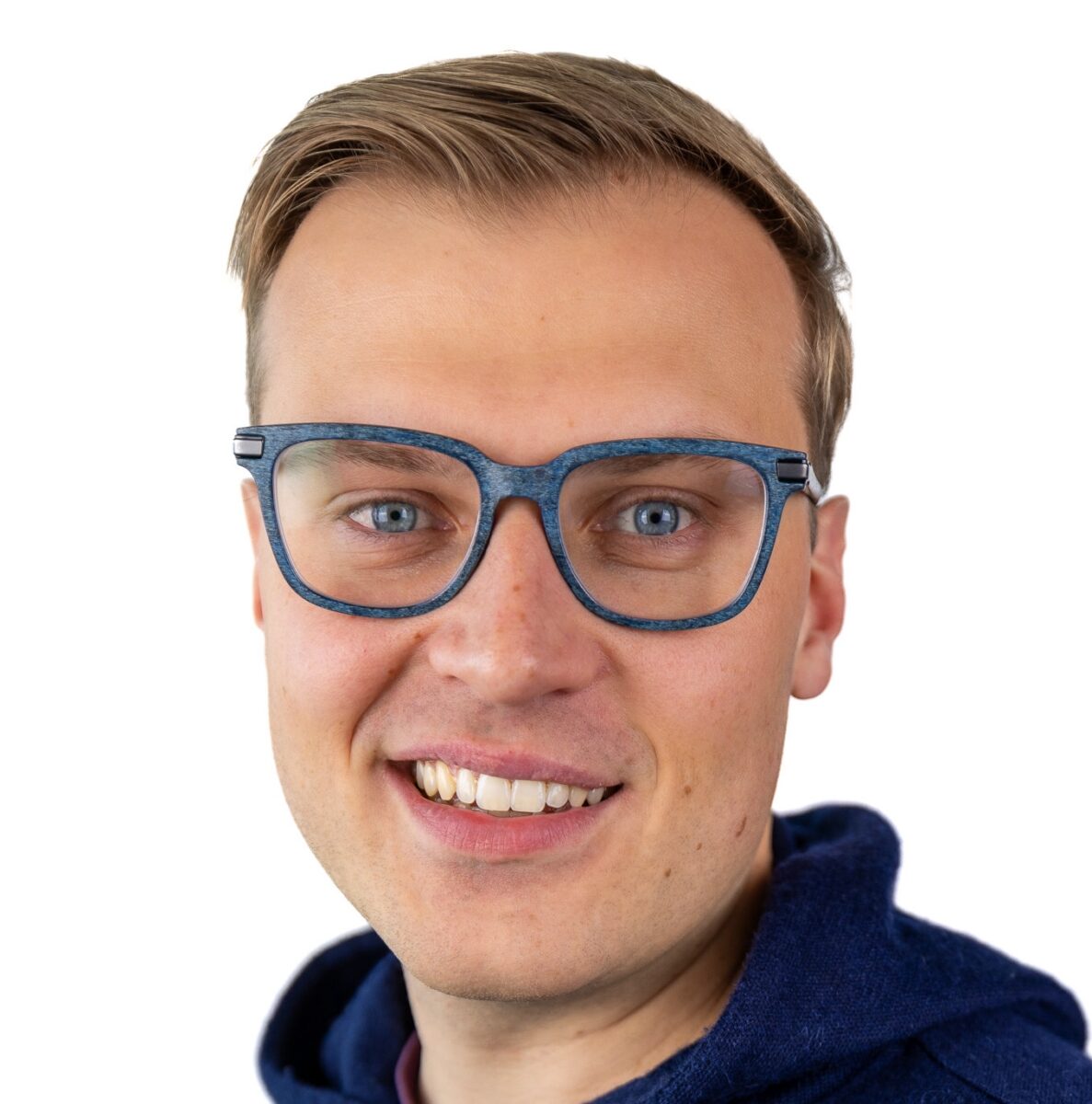
Hermanni programmed a quantum computer for the first time nearly a decade ago, and has been shaping the direction of quantum computer architectures at IQM since 2020. At IQM he has developed the IQM star processor concept and developed the algorithmic benchmarking protocols the company is using. In his current role as Head of Product he is leading the productisation of commercially available quantum computers, and making sure the company’s roadmap delivers value to the quantum computing community.
Ulrich
Hoff
Panel: Drivers and Barriers for Applying Quantum Technology in Industry
Keynote: Novel Approaches to Computational Drug Discovery
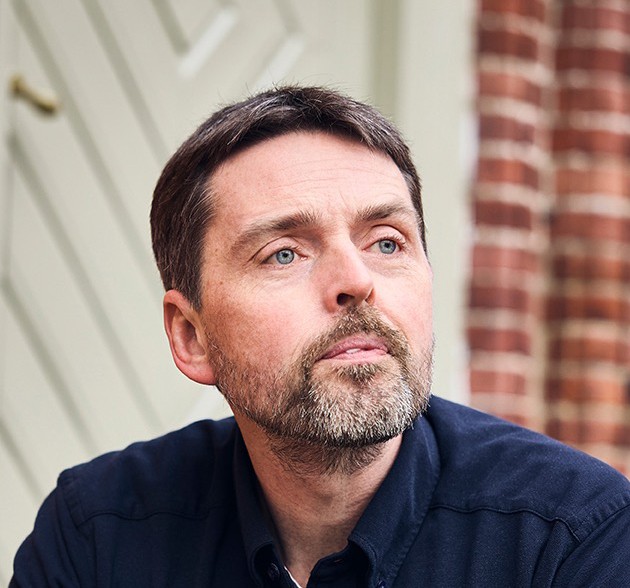
Ulrich Hoff is a Quantum Engagement Specialist with the Danish quantum software and algorithms company Kvantify specialising in chemistry applications of quantum computing. He holds a PhD in experimental quantum physics from the Technical University of Denmark. Ulrich has more than 10 years of research experience from academia and has for several years served as Senior Adviser in quantum technology, acquiring a profound understanding of the quantum technology field in general and the interplay between research, industry, and government. Ulrich is a central contributor to the formation of a Danish quantum ecosystem and board member of the Danish Quantum Community.
Marvin
Holten
Talk: Quantum Diamond Magnetic Microscopes for Neuroscience, Semiconductors, and Material Analysis
Panel: Industrialization of Quantum Sensors – Next Steps?
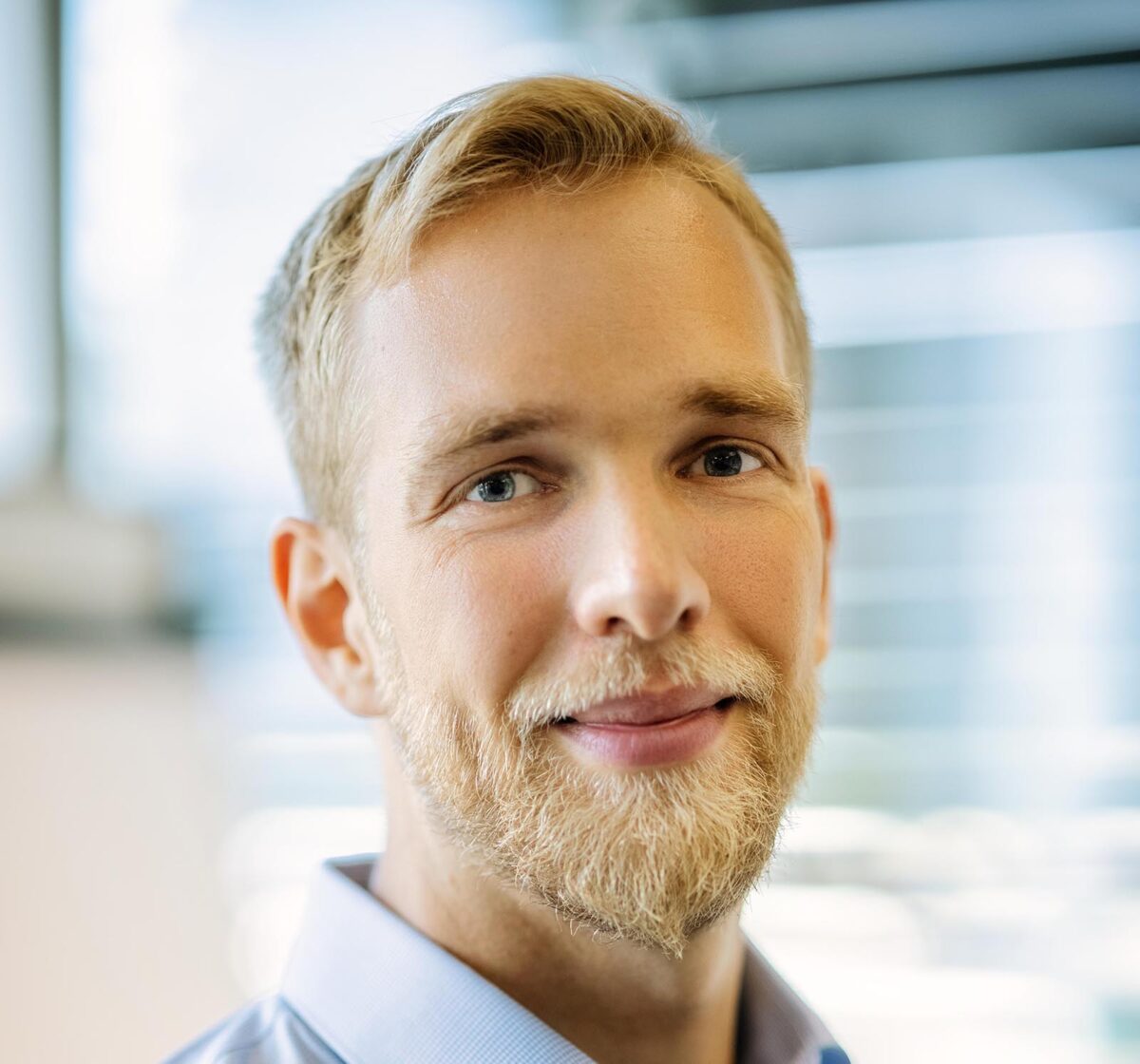
Marvin Holten is the CTO and co-founder of DiaSense, a quantum sensing startup founded in 2024. DiaSense develops quantum magnetic microscopes based on NV centers in diamond for applications in neuroscience, semiconductor manufacturing, and materials science.
Marvin earned his Ph.D. in Physics from the University of Heidelberg, where he studied superfluidity and complex many-body systems. He later worked as a postdoctoral researcher at TU Wien, contributing to the development of quantum computing nodes using neutral atoms coupled to optical cavities.
Marvin’s expertise lies in quantum computing and simulation with ultracold atoms, the design of advanced optical systems, and the development of new quantum technologies.
Mikael
Johansson
Introduction by session chair
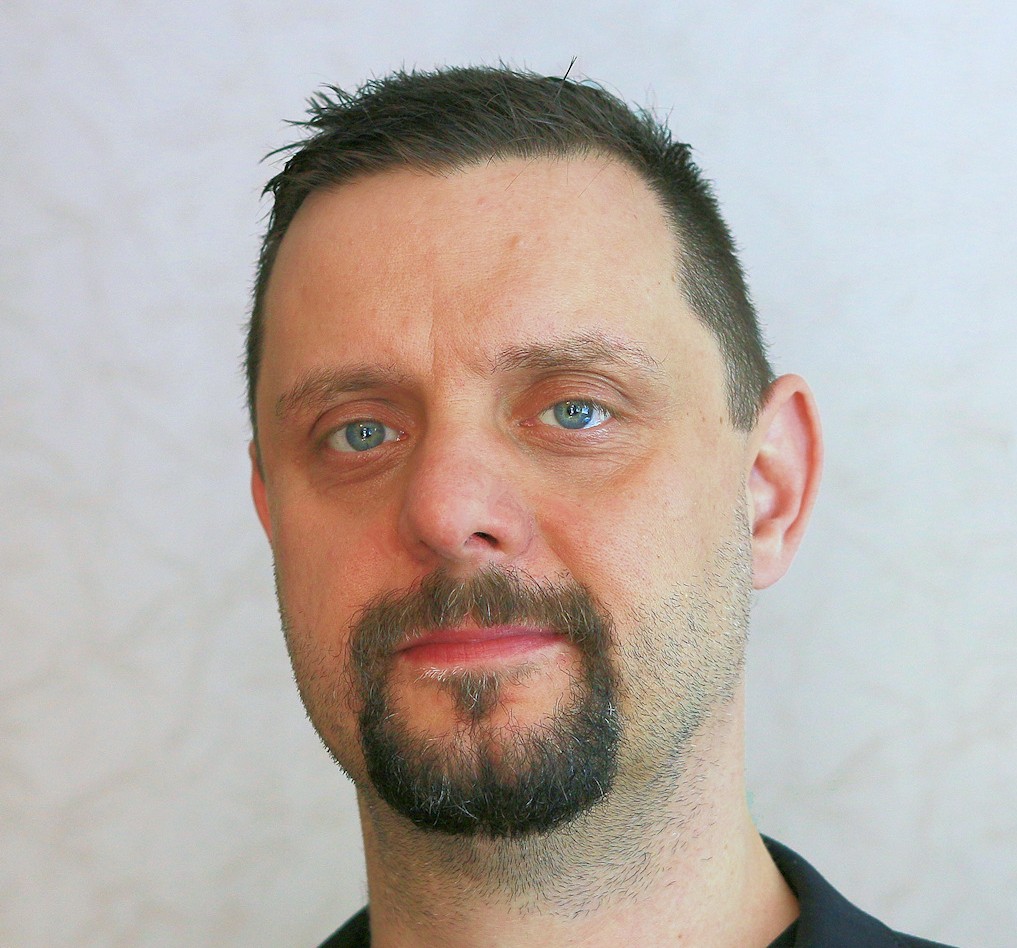
In his role as Manager for Quantum Technologies at CSC, The Finnish IT Center for Science, Dr. Johansson oversees CSC’s participation in global initiatives related to quantum technologies, and in general explores and enables the uptake of quantum technologies in R&D communities. He considers quantum-accelerated high-performance computing to be a central part of future supercomputing ecosystems. He spent twenty years in academia, studying and teaching quantum mechanical effects in (bio)chemistry. Dr Johansson holds an associate professorship in physical chemistry at the University of Helsinki, is director of the Finnish Quantum-Computing Infrastructure, and co-founder of the Nordic-Estonian quantum computing infrastructure initiative NordIQuEst. He considers collaboration across the Nordics to be a highly synergistic endeavour, especially when it comes to quantum technologies.

Göran
Johansson
Introductory presentation: Quantum in the Nordics
Göran Johansson is a Full Professor of Theoretical and Applied Quantum Physics at Chalmers University of Technology and since 1st of January 2025 also the Director of the Wallenberg Centre for Quantum Technology (WACQT). This centre started 1st of January 2018 and is a 12 year effort with a 1.500 MSEK budget, funded mainly by the Knut and Alice Wallenberg foundation. The centre has two main goals: 1) To build broad competence within quantum technology in Sweden and 2) to build a 100 qubit quantum computer based on superconducting circuits. Johansson has worked in the field of quantum physics and quantum information in superconducting circuits since 2000, when he took leave of absence from Ericsson to join the first European project to build a superconducting quantum computer. His current research focuses on the modelling of superconducting circuits and use-cases for quantum computers. He is a member of the Royal Swedish Academy of Sciences and the Royal Society of Arts and Sciences in Gothenburg.
Camilla
Johansson
Opening remarks
Introduction by session chair
Can the Nordics Compete Globally in Quantum?
Concluding remarks
Dr. Camilla Johansson is the Director of the Swedish Innovation Platform for Quantum Technology, QSIP as well as group manager for Innovation Management at Chalmers Industriteknik. Camilla has a PhD in materials science, but has during the recent years worked with issues related to innovation and utilization of research results in a number of different areas. Camilla has experience in leading work around these issues in both national competence centers and EU-funded projects.
Blake
Johnson
Keynote: Extending the power of quantum computers: a path from error mitigation to fault-tolerant quantum computing
Panel: Scenarios for Quantum Computing Development
Blake Johnson is a Distinguished Engineer and Quantum Capabilities Architect at IBM. He is responsible for R&D teams delivering advanced execution capabilities including error suppression, error mitigation, as well as architecting future designs for control and decoding of fault-tolerant quantum computers. Blake has previously worked across many elements of the quantum computing stack, including characterization protocols, quantum programming languages, device design, control systems, and system architecture. Prior to IBM, Blake was Chief Quantum Engineer at Rigetti and Senior Scientist at Raytheon BBN. He earned his PhD in physics from Yale.
Pavel
Kalinin
Introduction by session chair
Pavel Kalinin leads IP & Entrepreneurship topics at Quantum Delta NL (€615M foundation), supporting quantum startups and investors through the Infinity program (https://infinityqd.nl/).
Piia
Konstari
Panel: Drivers and Barriers for Applying Quantum Technology in Industry
Piia Konstari is the Director of Microfabrication Services at VTT with a passion in turning research into business. She looks for exceptional opportunities and creates strategic commercial partnerships in the field of microelectronics and quantum technologies. Piia has a background in sales and business development both from VTT as well as from the semiconductor industry. Piia holds a degree in MSc (Tech) in Electronics and Electrical Engineering from the Technical University of Helsinki.
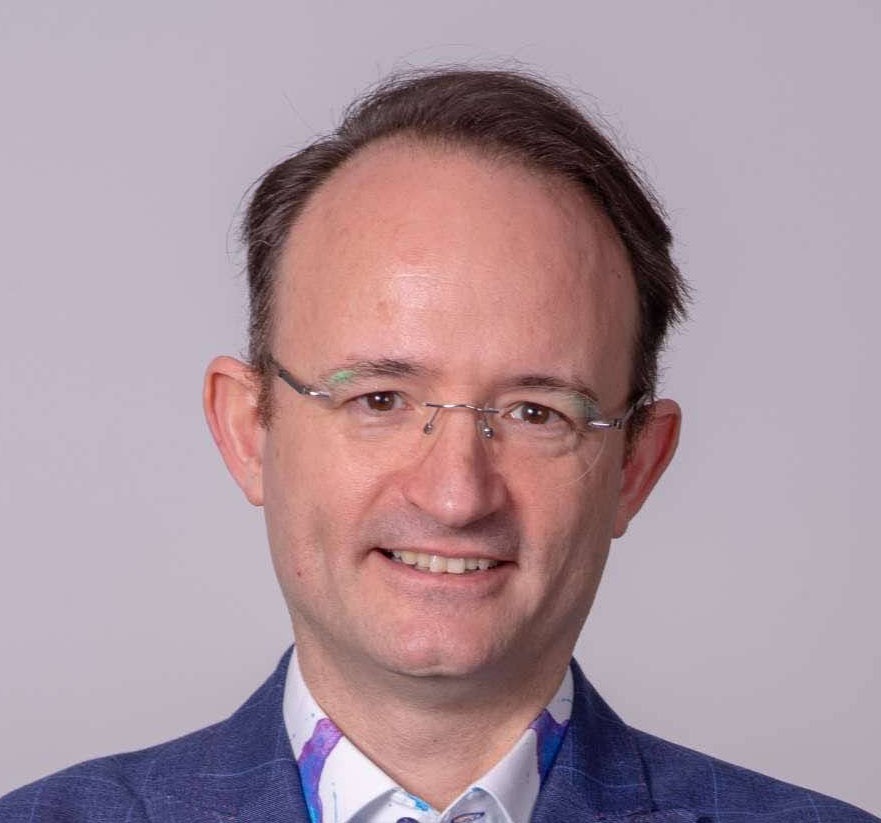
Jonatan
Kutchinsky
Diamond Day Sponsor Keynote: “The New Possible: Revolutionizing Quantum Control”
Jonatan Kutchinsky is Vice President for Cryogenic Electronics at Quantum Machines and a serial deep-tech entrepreneur. He holds a PhD in Quantum Electronics from the Technical University of Denmark (2001) and has co-founded multiple startups spanning biophysics, digital transformation, edu-tech, and quantum electronics. In 2016, he co-founded QDevil, a leading provider of auxiliary electronics for quantum research, which was acquired by Quantum Machines in 2022.
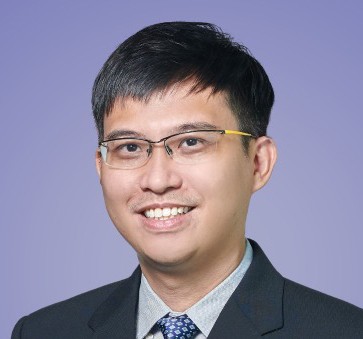
Wiber
Lim
Dr Wilber Lim is currently Director (Strategic Planning and Programme Management) at the National Quantum Office of Singapore. He is responsible for the development and implementation of Singapore’s National Quantum Strategy under the guidance of the National Quantum Steering Committee.
Prior to joining the National Quantum Office, Dr Lim held appointments at the Ministry of Education, the Prime Minister’s Office, and the then-Ministry of Communications and Information (now Ministry of Digital Development and Information).
Dr Lim was trained as a theoretical physicist and held degrees from the University of Oxford, Yale University, and the National University of Singapore.
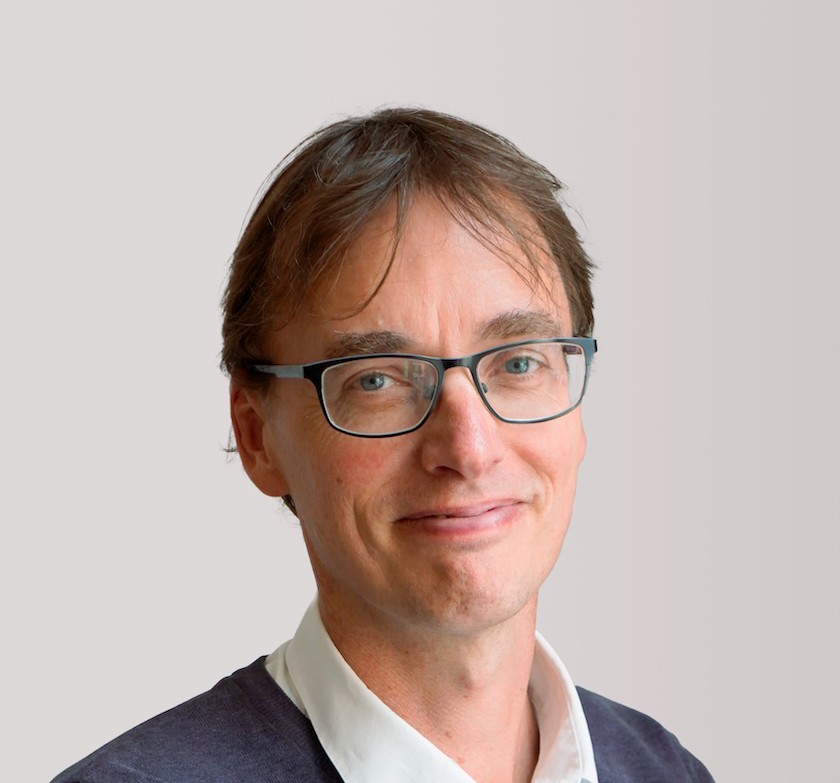
Peter
Lodahl
Talk: The Role of Photonic Chips in Quantum Technology
Panel: The Picks and Shovels of the Quantum Industry
Peter Lodahl is a distinguished professor of quantum physics and technology at the Niels Bohr Institute. He directs both the Danish National Research Foundation Center of Excellence Hybrid Quantum Networks (Hy-Q) and the Novo Nordisk Foundation Center for Solid State Quantum Simulators. As an entrepreneur, Peter founded Sparrow Quantum, a start-up specializing in deterministic photon-emitter interfaces.
After earning his Ph.D. from the University of Copenhagen in 2000, he expanded his research at Caltech and the University of Twente. Peter was the first to demonstrate that light emission can be fully controlled by the use of intricate photonic nanostructures. This fundamental principle ultimately enables a full deterministic quantum interface between light and matter, which Peter subsequently exploited after founding his own research group in Denmark in 2005. His group develops fundamentally new quantum hardware for the emergent field of quantum information science, such as: deterministic single-photon sources, spin-photon interfaces, and photonic quantum gates. The application areas include photonic quantum computers, quantum repeaters, and quantum key distribution towards the ultimate vision of a quantum internet.
Among his accolades are the ERC consolidator grant (2010), the ERC advanced grant (2015), the EliteForsk Award (2016), and Queen Margrethe II’s Research Award (2022). With over 140 publications, 6 patents, and 170+ invited talks, Peter has significantly influenced the quantum physics domain. His educational legacy includes mentoring 30 Ph.D. students and 35 postdocs, many now in influential roles. Peter is also a member of the Royal Danish Academy of Sciences and Letters (2016) and an Optica Fellow (2021).
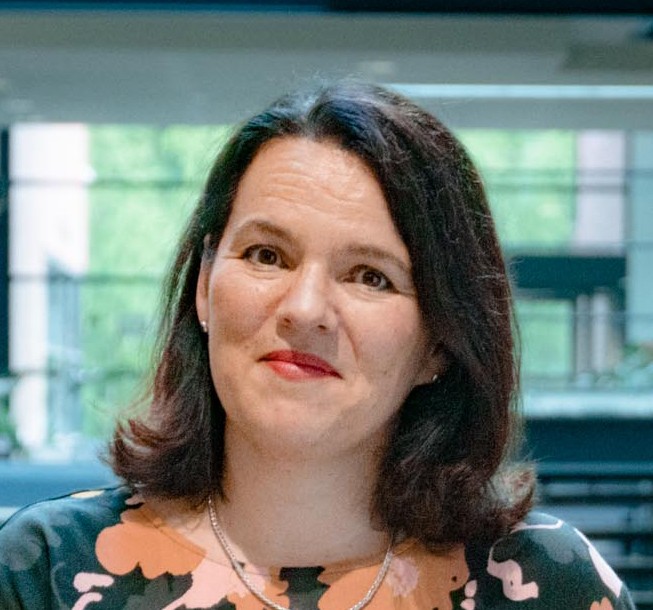
Ilona
Lundström
Can the Nordics Compete Globally in Quantum?
Ilona Lundström, DSc, currently serves as Executive in Residence at InstituteQ, the Finnish Quantum Institute, where she advises on strategy and policy development. She is also Chair of the Board at Metropolia University of Applied Sciences and serves on the boards of three other companies.
Dr. Lundström previously held the position of Director General of the Innovation and Enterprise Financing Department at the Finnish Ministry of Economic Affairs and Employment for seven and a half years. She brings over 20 years of experience in business, technology, and innovation policy.
Prior to her work at the Ministry, she spent nine years in various leadership roles at Business Finland (formerly Tekes). Dr. Lundström earned her Doctorate in Administrative Sciences from Tampere University in 2011.
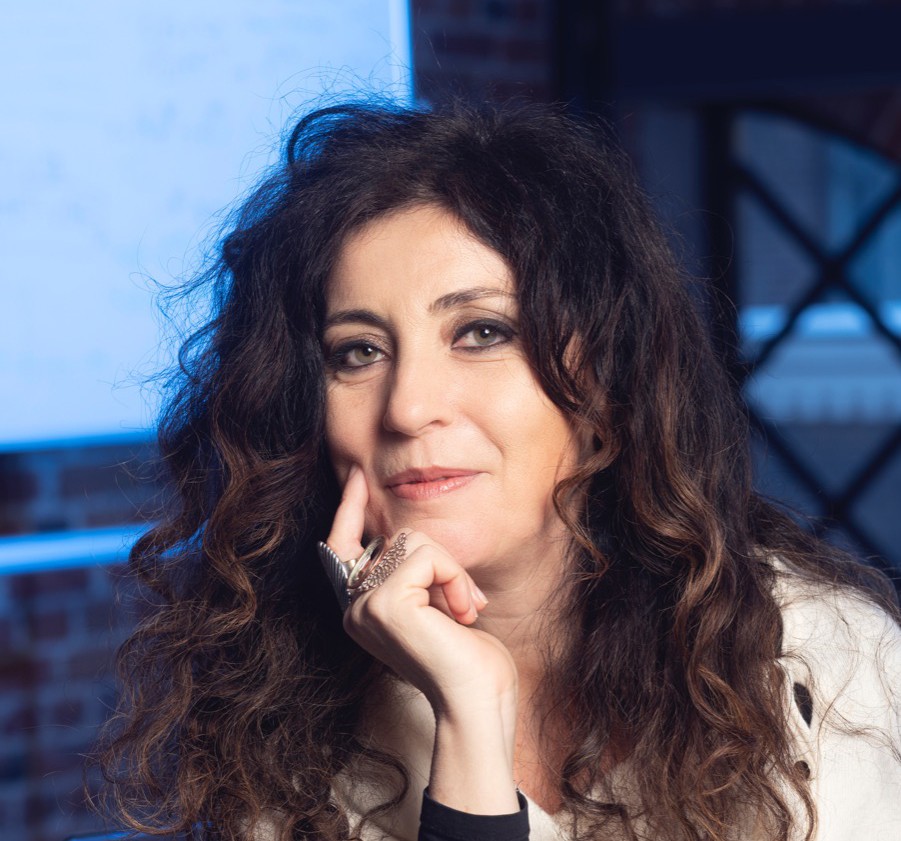
Sabrina
Maniscalco
Talk: Quantum Software for Applications in healthcare and Life Sciences
Sabrina is a Professor of Quantum Information, Computing and Logic at the University of Helsinki. She is CEO and co-founder of Algorithmiq Ltd, a startup focusing on quantum algorithms for Life Sciences. She has been working on Quantum Technology for over 20 years, focusing on noise in quantum devices, complex quantum systems and quantum simulations. Sabrina has coordinated several international and interdisciplinary projects and is recognized as one of the leading experts in Quantum Technologies.
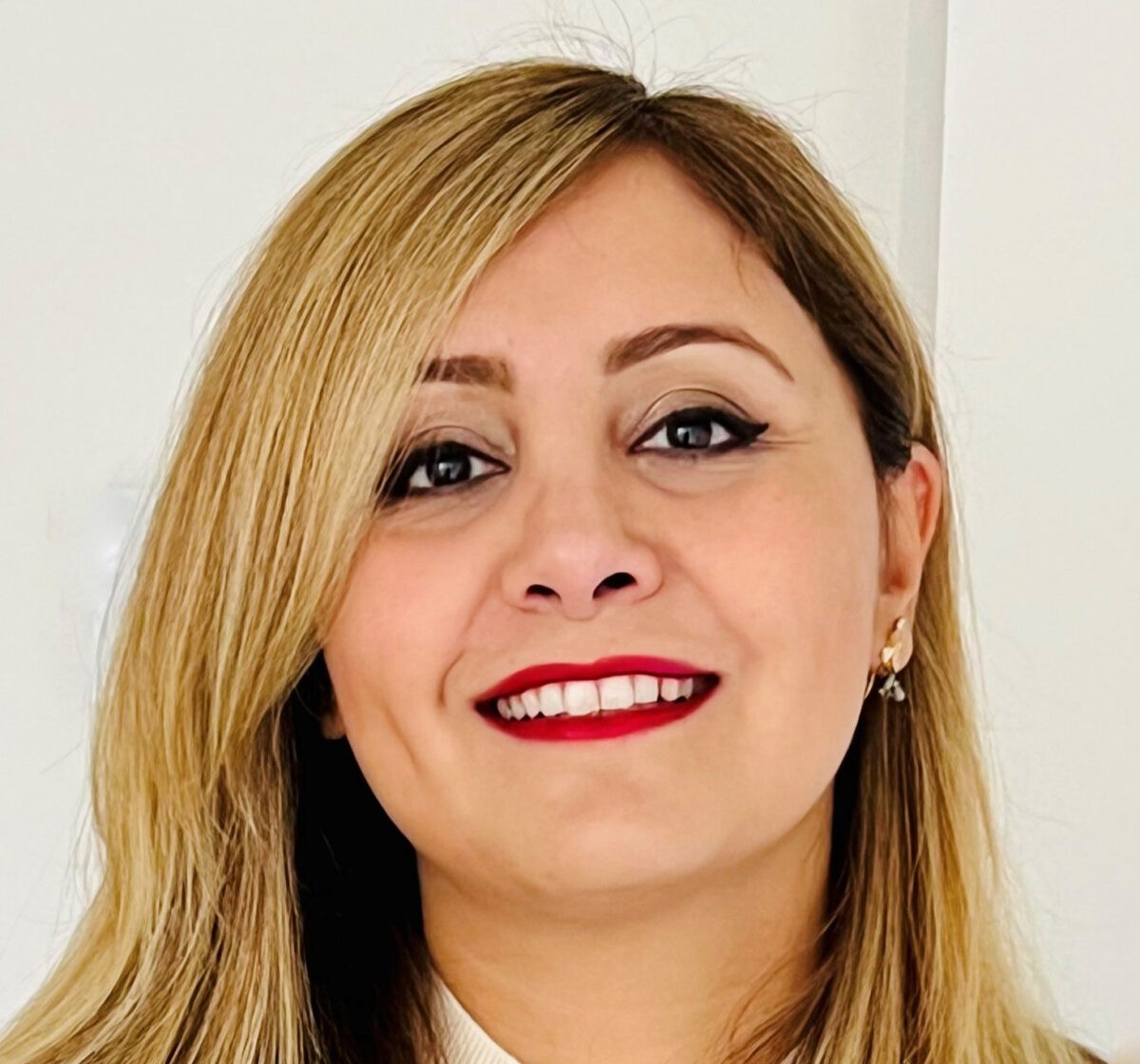
Samira
Nik
Keynote: European Quantum Landscape, from start-ups to scale-ups
Panel: When and How Will Quantum Change Society?
Panel: Success Factors and Actions When Building a New Industry
Samira obtained a PhD in Materials Science from the Applied Physics Department of Chalmers University of Technology, specializing in superconducting quantum devices, nanoelectronics and materials characterization. She worked as R&D project manager in one of the leading foundries in the semiconductors industry in Sweden, where she developed the expertise to create proof-of-concept of innovative microelectronic devices and later she joined IMEC and through her role in the cleanroom management team learned even more about the practical obstacles that scientists and startups face. Samira transitioned from technical to policy work with becoming Project Manager – Innovation in the European Standardization Organizations (CEN-CENELEC). Since April 2022, she works a Programme Manager for Quantum Technologies and Electronics in EC European Innovation Councils and SMEs Agency, where she is responsible for developing visions for technological and innovation breakthroughs, the proactive management of EIC quantum technologies portfolio and supporting EIC beneficiaries in shaping European quantum ecosystem.
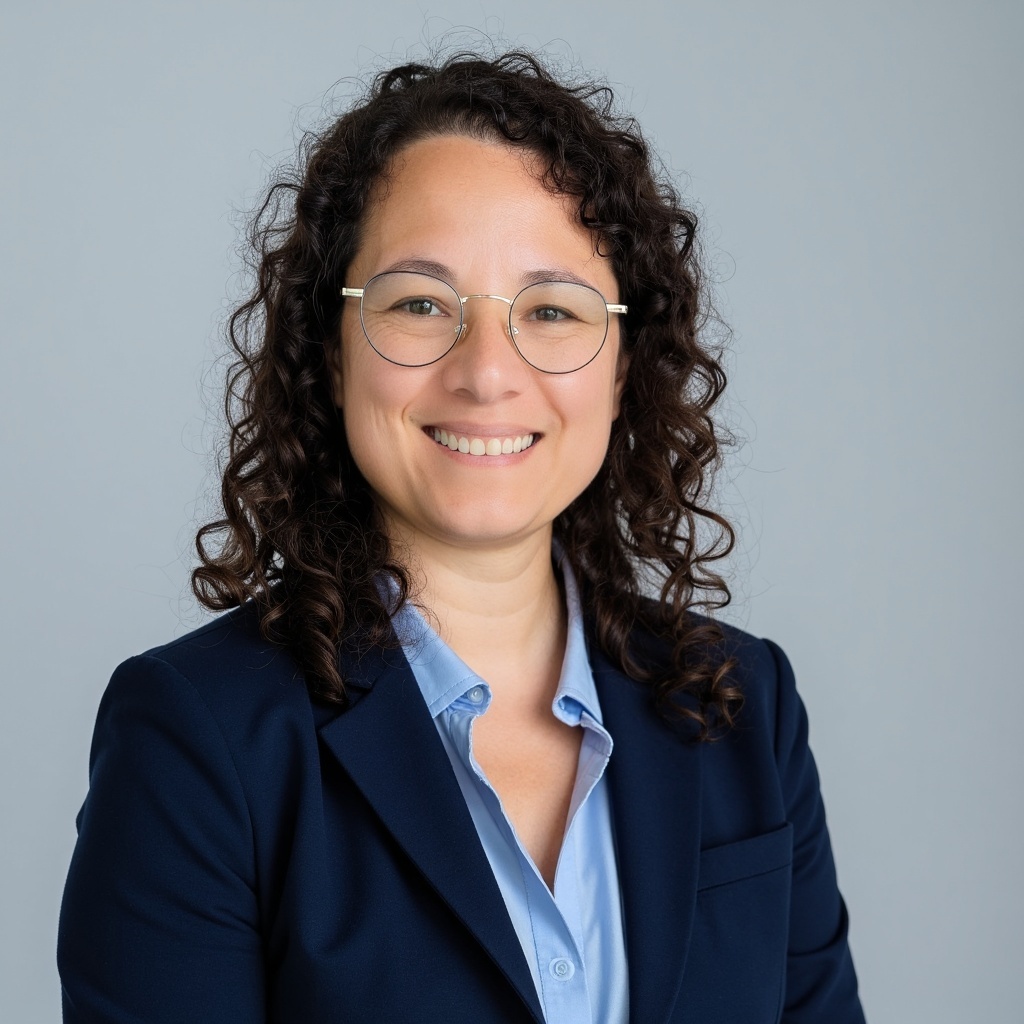
Cécile
Perrault
Panel: Scenarios for Quantum Computing Development
Introduction by session chair
Dr. Cécile Perrault is a seasoned expert in deep technologies, innovation management, and public policy advising, with extensive experience influencing research and innovation funding strategies at national and EU levels. Currently leading strategic partnerships at Alice & Bob, she has built several multi-million research initiatives for advancing quantum technologies in line with EU digital transformation priorities. Dr. Perrault also contributes as an expert evaluator to the European Innovation Council, shaping EU-level funding priorities. With a strong background in biomedical engineering and deep tech, she has successfully led multiple R&D initiatives and public-private partnerships, fostering innovation across quantum computing, microfluidics, and digital health.
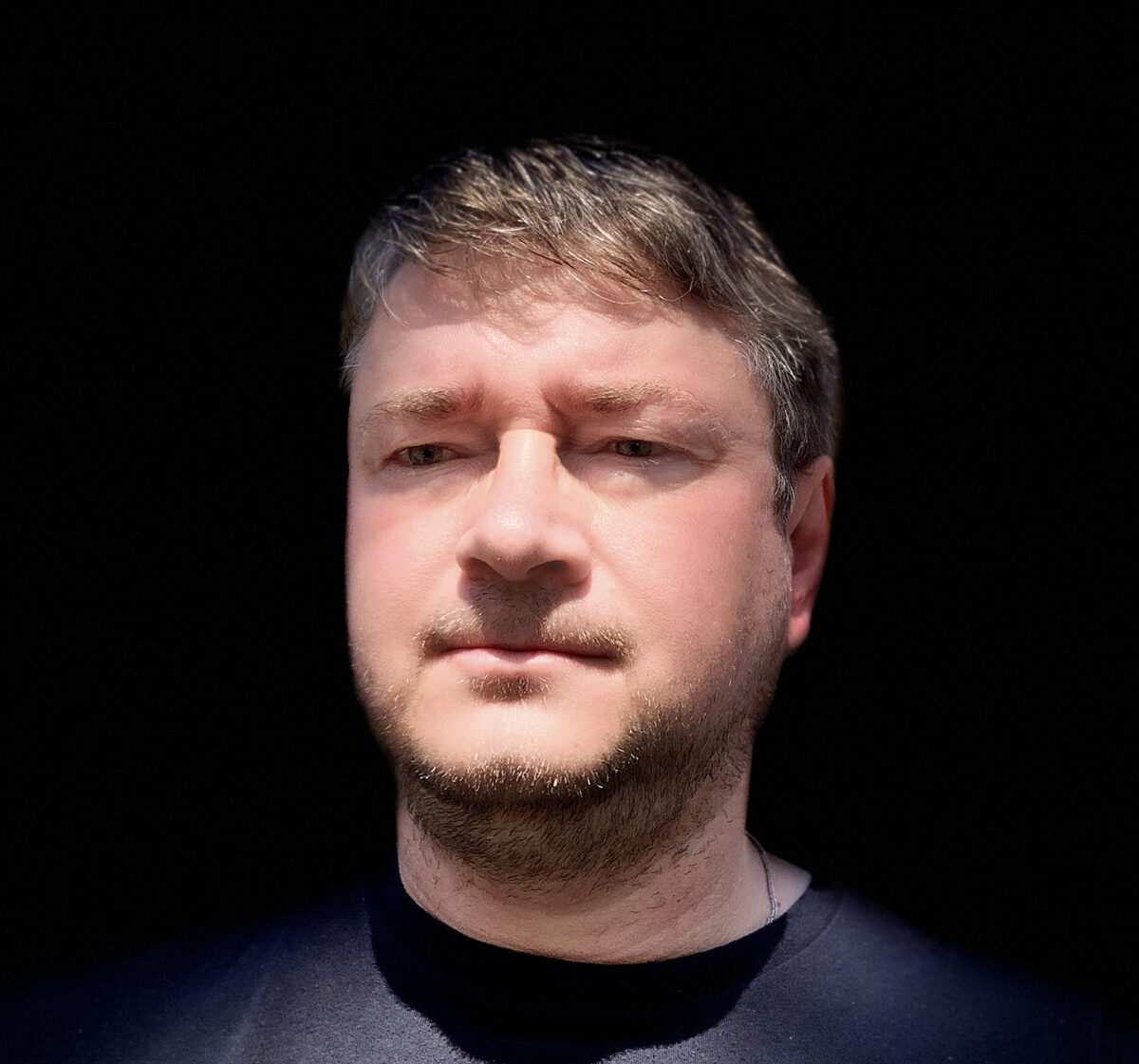
Michael
Popoff
Talk: Quantum Computing and Post-Quantum Resilience: Securing Our Digital Assets Long-Term
Michael Popoff is a senior scientist at RISE Research Institutes of Sweden. Michael works in applied research specializing in telecom, information security, privacy enhancing technologies, AI/ML, and quantum-resilient/post-quantum technologies and their application in the public and private sectors including real estate, agriculture, energy, health, and manufacturing. Michael holds a PhD in physics from the Royal Institute of Technology (KTH) in Stockholm.
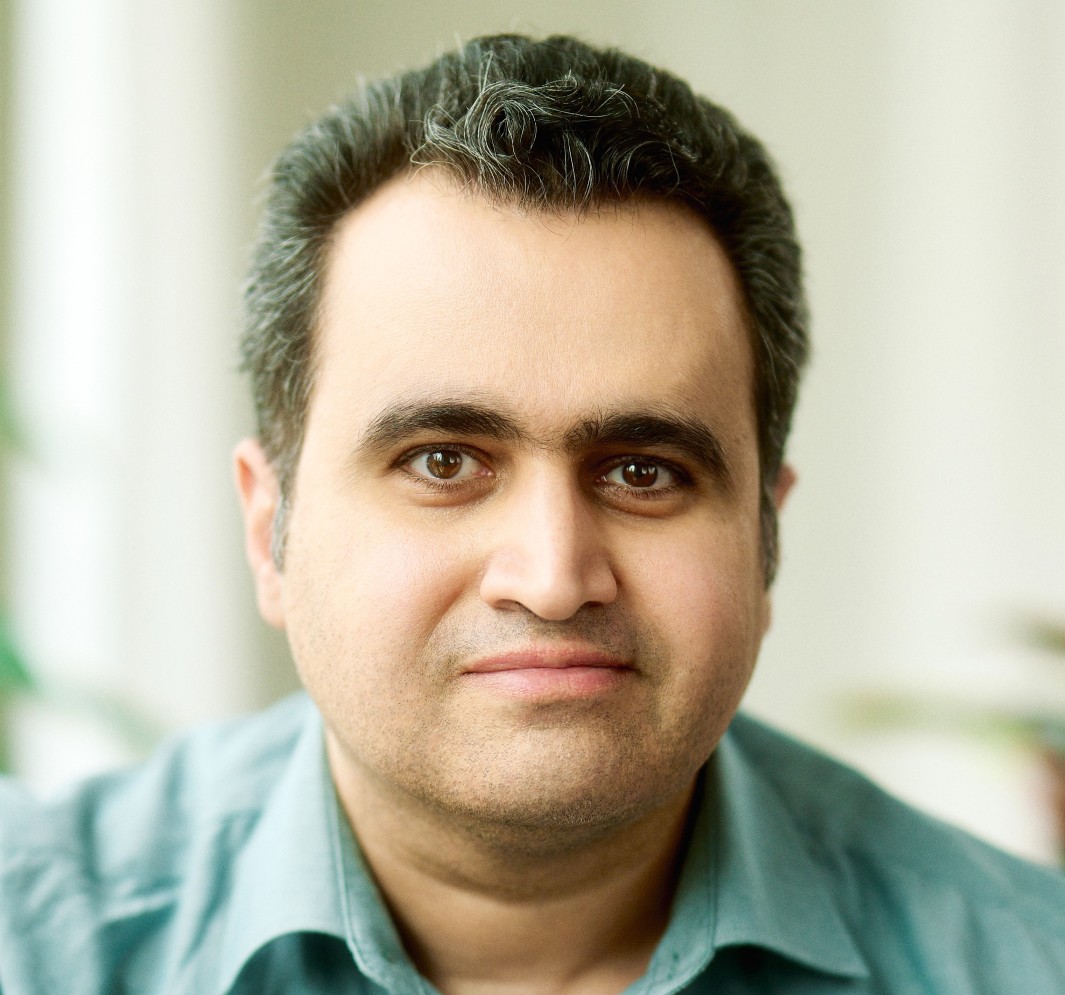
Arsalan
Pourkabirian
Talk: Cryogenic Electronics for Scalable Quantum Computing
Panel: Success Factors and Actions When Building a New Industry
Arsalan Pourkabirian is the Head of Semiconductor Devices at Low Noise Factory (LNF), Sweden. He received his Ph.D. in 2014 from Chalmers University of Technology, Sweden, where he focused on classical and quantum noise in nano devices. Following his doctoral studies, Dr. Pourkabirian conducted postdoctoral research (2014–2016) at the Microwave Electronics Laboratory, Chalmers university, specializing in cryogenic InP high electron mobility transistors.
Since 2017, Dr. Pourkabirian has been with Low Noise Factory (LNF), leading the engineering team responsible for the microfabrication and evaluation of cryogenic amplifiers. His expertise lies in advanced cryogenic device development and the integration of cutting-edge semiconductor technologies.
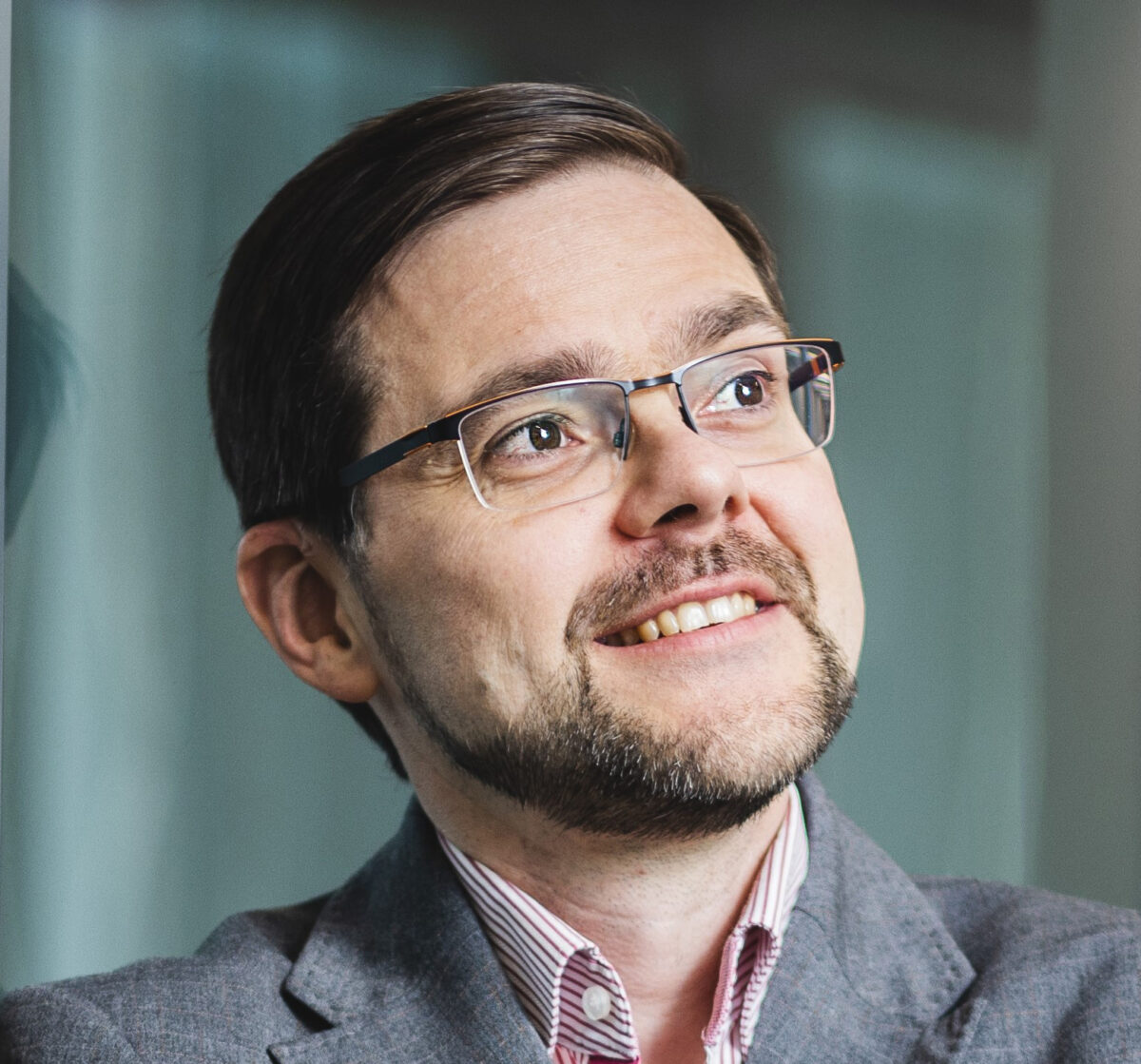
Pekka
Pursula
Keynote: Innovations Bringing Quantum Technology to Real-World Applications
Panel: Success Factors and Actions When Building a New Industry
Pekka Pursula is Vice President of Microelectronics and quantum technology at VTT Technical Research Centre of Finland. He focuses on leading the quantum activities at VTT, with active influencing in the national and European levels, such as the European ECS SRIA on Electronic Components and Systems and Quantum Flagship SRIA. Dr. Pursula oversees the Finnish quantum computer development program at VTT. He was one of the writers of the national the Finnish national strategy in quantum technologies and he is the chair of the steering committee of the Finnish quantum institute, InstituteQ.
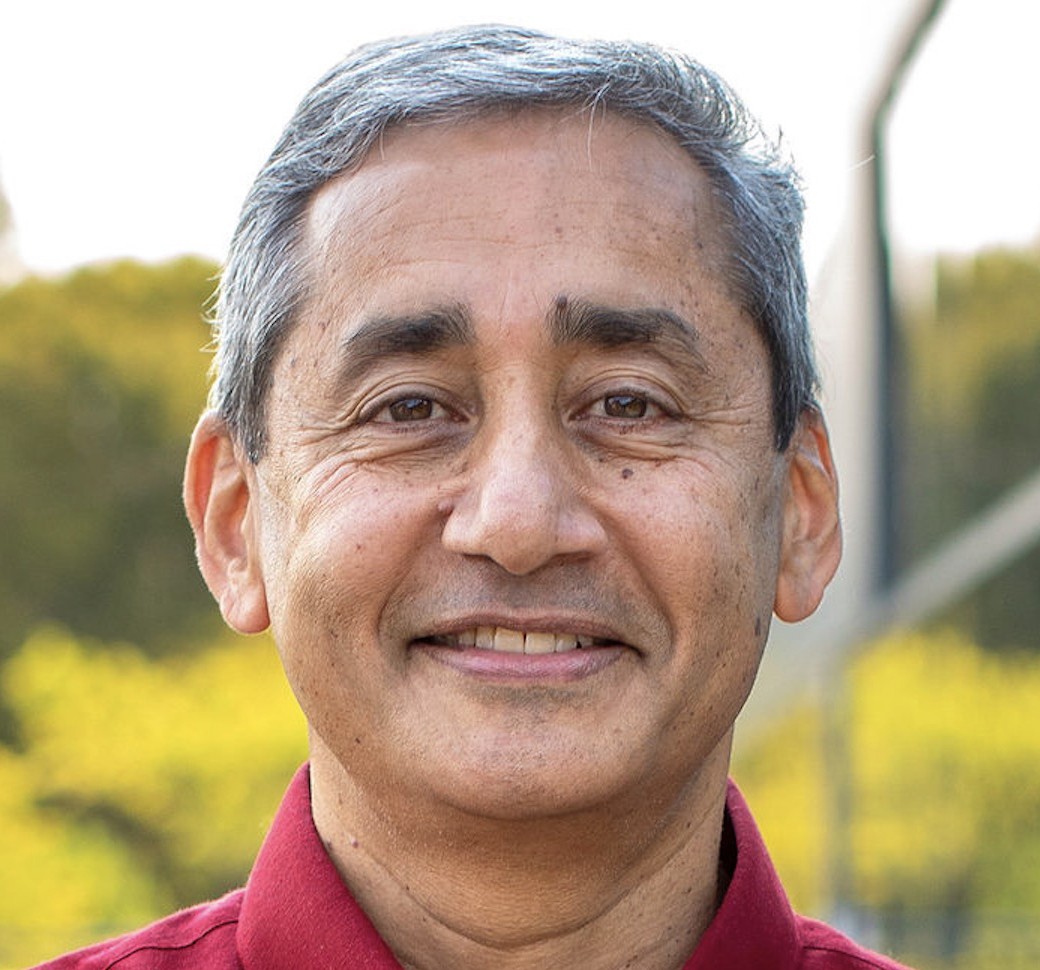
Ganesh
Ramamoorthy
Keynote: Solving the GPS-denial Problem with Quantum Technology
Ganesh Ramamoorthy is a sales leader with 30 years of professional experience, including 15 years pioneering new technology markets at Microsoft, where he ran business development, first focusing on the Channel, then leading the Microsoft-Intel “WinTel” Alliance and on to the nascent Windows Phone business, and subsequently the emerging AR/VR/MR business.
Subsequently, Ganesh led global business development at ioTium, Inc, a venture-funded startup offering Software-as-a-Service (SaaS) in the Internet of Things (IoT) space, that was later acquired.
At Q-CTRL, Ganesh leads global sales, business development & marketing efforts for all of Q-CTRL’s product offerings.
Ganesh has a Ph.D. in Computer Engineering, and brings a strong technical focus and sales acumen to creating new markets for breakthrough technologies.

Robert
Rehammar
Talk: Engineering towards large scale superconducting quantum computing
Panel: The Picks and Shovels of the Quantum Industry
Robert Rehammar has a PhD in applied physics from Chalmers University. He has been working on various aspects of microwave technology in industry and since 2020 as a researcher at Chalmers on quantum technology. He is co-founder of Chalmers spin-outs SCALINQ and Sweden Quantum and is currently working part-time as CTO of SCALINQ.
Mikael
Rönnholm
Talk – Quantum Technology for Future Competitiveness
Panel: Drivers and Barriers for Applying Quantum Technology in Industry
Mikael Rönnholm is a seasoned professional in emerging technologies and business development, currently serving as the Director of Emerging Technologies at Volvo Group since November 2023. Previously, Mikael held the position of Vice President of Emerging Technology Business Development at Koenigsegg Automotive AB from March 2022 to November 2023, contributing to the company’s innovative automotive technology initiatives. Prior experience includes leadership roles at CEVT, Brandboxer AB, Knowit, and Acando Consulting, with a strong emphasis on strategic innovation and digital transformation. Educational accomplishments include a Master’s degree in Business Administration from the University of Gothenburg and a Civilekonom degree in Entrepreneurship & Business Development from Växjö University.

Lisa
Rooth
Panel: Success Factors and Actions When Building a New Industry
Lisa Rooth is the COO at SCALINQ, which has quickly grown into a frontrunner in the quantum computing field, pioneering advancements in cryogenic hardware. She hasexperience from several deeptech startups and scaleups both in Europe and in the US. Lisa is leading the commercial efforts at SCALINQ, brining innovations to market that tackle the most urgent hardware limitations to accelerate the quantum computing development. She holds a master’s degree in both Engineering and Business.
Lorenzo
Roversi
Keynote: Commercializing Quantum Value
With a career spanning leadership roles in technology, consulting, and investment, I have driven market expansion across Europe and built strategic partnerships bridging capital deployment, innovation and sustainability. I have led global delivery from India to clients across all industries
As Managing Director for Northern Europe at IonQ, I help bring quantum computing from research to real-world impact — advancing technologies that could redefine industries from logistics to life sciences.
As a Board Member at Einride, I contribute to reshaping global logistics through electrification and autonomy connecting deep tech with tangible impact.

Maria
Ruchkina
Panel: Industrialization of Quantum Sensors – Next Steps?
I did my Ph.D. in Physics at Lund University in Sweden, where my research focused on developing non-linear optical techniques for ultra-fast laser diagnostics. I applied my expertise in physics and laser technology to my role at Deep Light Vision, where I was the first employee to join the company two years ago. I started as a product developer, acquiring the knowledge and transferring the technology developed at the university into commercial prototype. I have practical experience with the company’s core technology and I am actively involved in experimental activities aimed at testing and improving the system. Currently, my role is quite versatile. In addition to leading the hands-on development of the technology and prototype I ensure that the company has access to know how and can draw benefits from the established academic collaborations. Furthermore, I am part of the
team responsible for developing and building a strategy for the company’s technological growth.
Lauri
Sainiemi
Keynote: Advancing Quantum Computing: A Platform for Diverse Qubit Technologies
Panel: Drivers and Barriers for Applying Quantum Technology in Industry
Lauri Sainiemi, VP of Fabrication at Microsoft Quantum, is a nanoengineering leader driving scalable quantum device manufacturing. Lauri was a key contributor to HoloLens display technology development, and he now leads efforts to scale Microsoft’s topological qubit technology, turning breakthrough concepts into manufacturable reality.
Anders
Sjögren
Panel: Industrialization of Quantum Sensors – Next Steps?
Anders Sjögren has a PhD in high power laser physics from the Atomic Physics Division at the Lund University. Anders has held positions as CTO, CEO and board member in companies such as Anoto Group AB, Lumito AB, Enersize Oyj and Avsalt Group AB. Since 2024 he is CEO of Deep Light Vision AB that is developing novel quantum boosted body imaging for medical diagnostics, based on research led by Stefan Kröll.

Kristian D.
Thormann
Introduction by session chair
Kristian D. Thormann works at the Office of the Danish Tech Ambassador in the Ministry of Foreign Affairs of Denmark, where he focuses on advancing international cooperation on quantum technologies, with a strong emphasis on Nordic and European engagement. He is part of the Presidency of the Nordic governmental ad hoc-group on quantum technology. Additionally, he is engaged in quantum-related work in the defence and is part of th leadership of EU prioritised capability area (PCA) on quantum.
Johan
Vallin
Panel: When and How Will Quantum Change Society?
Johan Vallin has worked with AI, Data and software development throughout his career. Now he leads a product line for Quantum and Blockchain at Ericsson. He has founded 8 companies in different industries and also worked in large companies such as Telia, Electrolux, Saab, Svenska Spel, IBM and Ericsson with everything from air fighter simulators, AI optimized route planning, predictive maintenance in factories and data driven business models in robot vacuum cleaners.
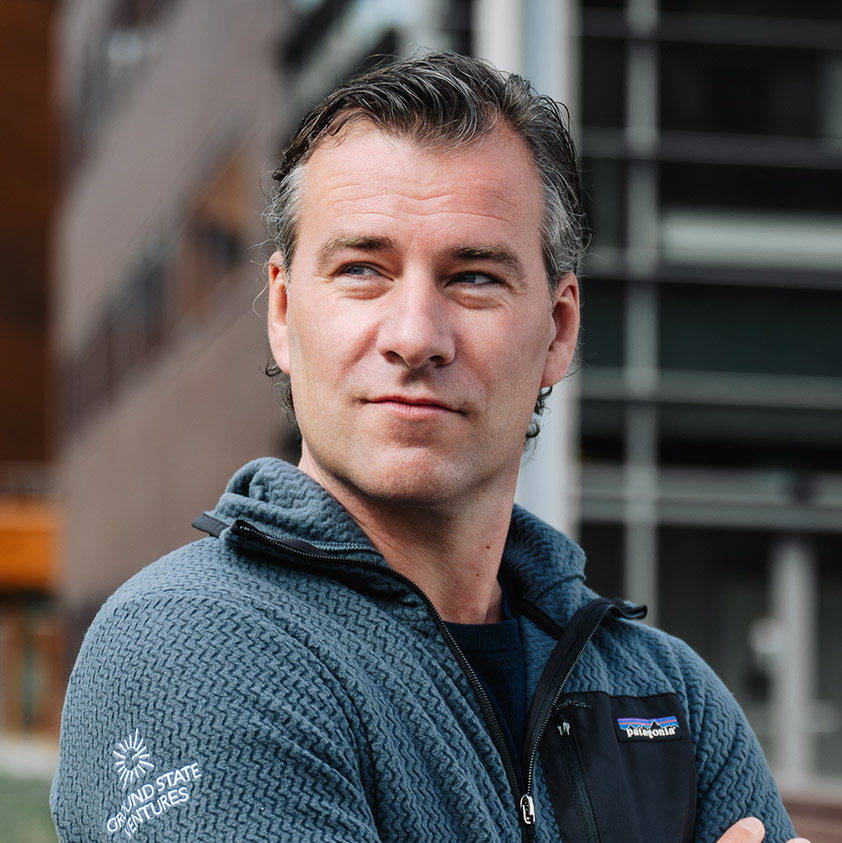
Ton
van 't Noordende
Panel: Success Factors and Actions When Building a New Industry
Ton van ‘t Noordende is founder and General Partner at Ground State Ventures, which operates an $88 million global fund backing high-potential quantum technology startups at their earliest stages. Across quantum computing, sensing, communications and infrastructure, the fund invests in the best teams working at the cutting edge of what’s possible to build the next generation of era-defining technology businesses.
Established in 2022, Ground State Ventures brings together a team with top-tier scientific and technical expertise, including PhDs in Physics from institutions such as Oxford, Stanford, Harvard, Yale, and UC Berkeley. The Ground State Ventures investment team operates across the US, the Netherlands, and the UK.
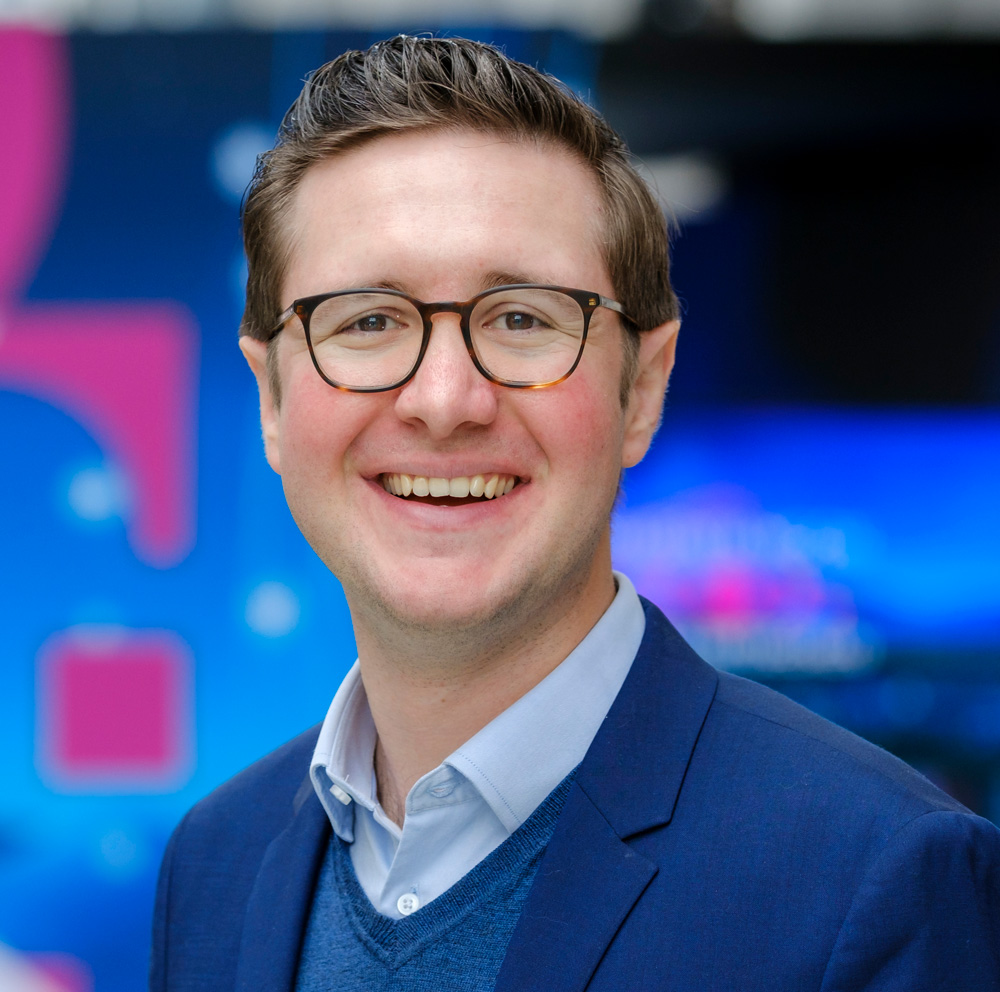
Maximilian
Walz
Panel: When and How Will Quantum Change Society?
Maximilian Walz is currently serving as the Head of the CTO Office of T-Systems, he is responsible for Quantum Computing within T-Systems and its parent Deutsche Telekom. In previous roles Maximilian was responsible for development teams focusing on personalized customer interactions. He started his carreer as a management trainee within the C-Level of Deutsche Telekom. Maximilian holds a Master of Science from the Vienna University of Economics and Business in Information Management.
Göran
Wendin
Introduction by session chair
Göran Wendin is a professor of theoretical physics at Chalmers University of Technology in Gothenburg, Sweden, currently working at RISE on strategies for implementing quantum technologies. Since 2000 he has coordinated five major EU projects on quantum computing with superconducting devices, as well as two EU projects on molecular electronics. Wendin was one of the founding fathers of WACQT in 2018, was WP-leader in the OpenSuperQ Flagship project (2018-2023), and a co-author of the roadmap governing the OpenSuperQPlus FPA/SGA during 2023-2027. Since 2022, he is a member of the EuroHPC JU infrastructure advisory group (INFRAG) contributing to building a European HPC+AI+QC federated ecosystem.
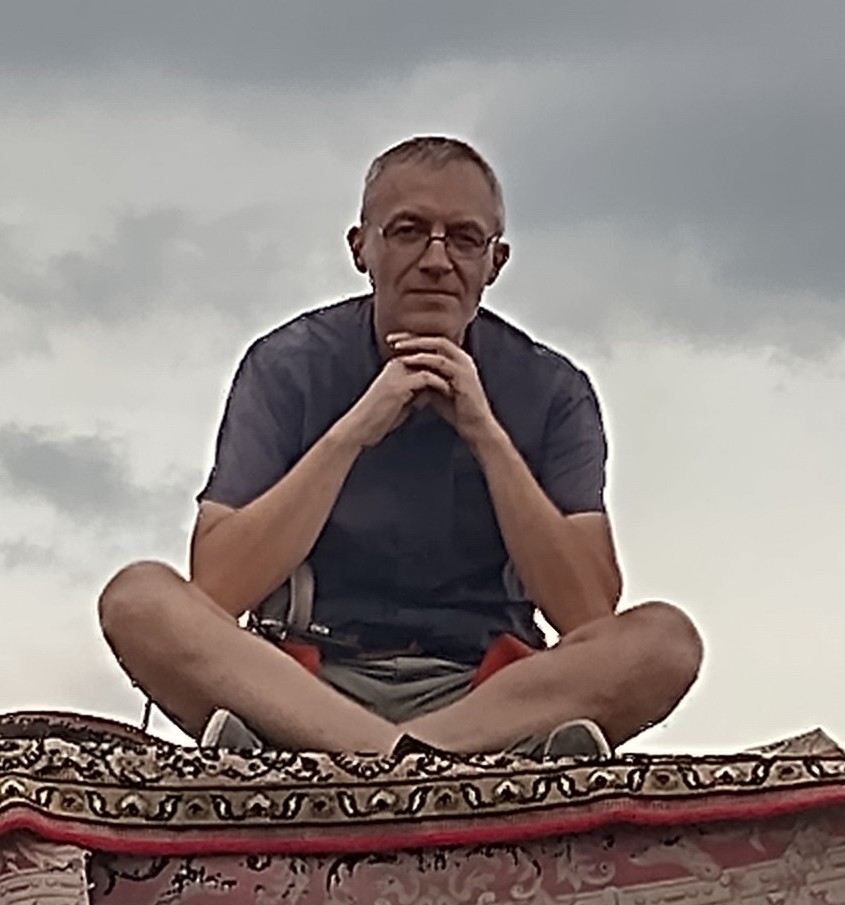
Val
Zwiller
Talk: Single Photon Detectors
Panel: Industrialization of Quantum Sensors – Next Steps?
Val Zwiller (h-index 71) got his PhD from Lund University in 2001 on the generation of single photons with quantum dot devices. He was then a Marie Curie fellow at Humboldt University in Berlin, assistant at EPFL and oberassistant at ETH Zurich before starting his lab at the TU Delft in 2005. Val co-founded Single Quantum BV in 2012 in Delft with his former student Sander Dorenbos, the company is world leader in high-performance single photon detectors and has over 70 employees. Val moved to KTH in 2015 as a full professor and heads the Quantum Nano Photonics group where new devices and schemes are developed to control light at the single photon level. In 2021, he founded Quantum Scopes AB to make complete instruments operating at the quantum limit with a wide range of applications.


